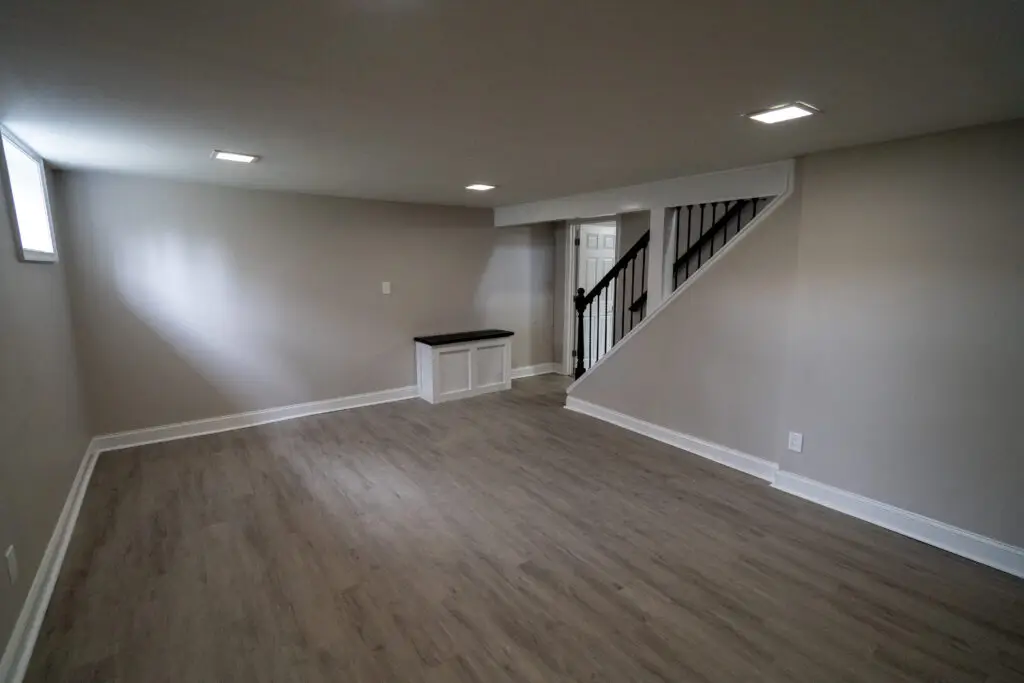
The basement often represents a blank canvas, offering valuable square footage that can be transformed into a vibrant living area, home office, or entertainment hub. However, this below-grade space presents unique challenges, primarily moisture. Choosing the best flooring for basements requires prioritizing waterproof, durable, and mold-resistant options that can withstand the specific environmental conditions. For homeowners in humid regions like Northeast Florida and Georgia, selecting materials that actively combat moisture is crucial for a long-lasting and stylish finish.
Why basement flooring needs special consideration
Basements are inherently different from other levels of your home due to several factors:
- Moisture Intrusion: Concrete slabs, common in basements, are porous and can wick moisture vapor from the ground. Basements are also more susceptible to leaks from pipes, appliances, or even exterior foundation issues. High humidity, especially in Southern climates, exacerbates these problems.
- Temperature Fluctuations: Basements tend to be cooler than upper levels, and temperature changes can impact how flooring materials behave.
- Lack of Sunlight: Less natural light means less opportunity for moisture to evaporate, potentially leading to dampness and mold growth if not managed.
- Subfloor: Most basements sit directly on a concrete slab, which requires different preparation than wood subfloors found upstairs.
Ignoring these considerations can lead to costly flooring failures, mold growth, and unhealthy indoor air quality.
Best options for moisture resistance
When it comes to basement flooring, “waterproof” or “highly moisture-resistant” should be at the top of your checklist. Here are the top contenders:
Luxury Vinyl Plank (LVP) / Luxury Vinyl Tile (LVT)
Often hailed as the ultimate basement flooring, LVP and LVT (especially those with SPC or WPC rigid cores) combine performance with stunning aesthetics.
- Why it’s Best:
- 100% Waterproof: The core and surface are engineered to be completely impervious to water, making them ideal for basements and foolproof against spills, tracked-in moisture, and even minor leaks.
- Exceptional Durability: Highly resistant to scratches, dents, and scuffs from heavy foot traffic, furniture, and pets.
- Versatile Style: Available in an astonishing array of realistic wood (every species, color, texture imaginable) and stone looks, allowing you to create any desired aesthetic from rustic farmhouse to modern industrial.
- Comfort Underfoot: Softer and warmer than hard tile, providing more comfort for prolonged standing.
- Easy to Install: Many are click-lock floating systems, simplifying installation.
- Considerations: Can be susceptible to fading from prolonged direct sunlight (though less common in basements).
- Best For: Any basement application, from living areas to playrooms, where style, durability, and waterproof properties are paramount.
Tile (Porcelain and Ceramic)
A classic for wet areas, tile offers unmatched water resistance and a robust surface.
- Why it’s Best:
- Virtually Waterproof: Porcelain tile, with its very low water absorption rate (less than 0.5%), is almost completely waterproof, making it a fortress against moisture. Ceramic tile is also highly water-resistant.
- Extremely Durable: Highly resistant to wear, scratches, and heavy impacts, making it perfect for high-traffic zones.
- Easy to Clean: Spills wipe up effortlessly, and the non-porous surface doesn’t absorb odors or stains.
- Design Versatility: Available in endless colors, patterns, and sizes, including large format tiles that create a sleek, contemporary look.
- Considerations: Can feel hard and cold underfoot. Grout lines require maintenance (sealing and cleaning) to prevent staining and mildew. Professional installation is often recommended due to complexity.
- Best For: Bathrooms, laundry rooms, utility areas, or any basement space where ultimate water protection and a hard-wearing surface are priorities.
Sealed Concrete
If your basement has an existing concrete slab, transforming it into a finished floor can be a minimalist and highly durable option.
- Why it’s Best:
- Inherent Moisture Resistance: The concrete itself is already there and, once properly sealed, becomes highly resistant to water penetration.
- Extremely Durable: Unmatched resistance to heavy impacts, scratches, and wear. Ideal for heavy-duty areas.
- Modern & Versatile Style: Can be stained, polished, or coated with epoxy to create stunning, unique finishes – from industrial chic to vibrant, customized looks with flakes or metallic pigments.
- Cost-Effective: Can be very budget-friendly if the slab is in good condition and only requires staining/sealing.
- Considerations: Very hard and cold underfoot. Requires professional sealing and can be slippery if not treated with anti-slip additives. Cracks in the slab may need repair.
- Best For: Home gyms, workshops, laundry areas, or modern/industrial-style living spaces.
Engineered Wood
While not fully waterproof, engineered wood can bring the warmth and elegance of real wood to a basement, provided moisture is diligently managed.
- Why it’s Best:
- Authentic Wood Beauty: Offers the unparalleled look and feel of real hardwood, creating a warm and inviting atmosphere.
- Dimensional Stability: Its layered construction makes it more stable than solid hardwood in fluctuating humidity, preventing the warping and gapping often seen with solid wood in basements.
- Adds Value: Real wood flooring can significantly boost a home’s aesthetic appeal and resale value.
- Considerations: Not waterproof; prolonged exposure to water will cause damage. Requires careful moisture control and professional installation. More susceptible to scratches and dents than vinyl or tile.
- Best For: Basements with excellent moisture control (e.g., dry basements with proper vapor barriers and possibly a raised subfloor system) where the classic appeal of wood is desired for living rooms or bedrooms.
Flooring to avoid in basements
To avoid costly failures and unhealthy environments, steer clear of these options in your basement:
- Solid Hardwood: Highly susceptible to warping, cupping, and gapping from moisture and humidity. Not suitable for below-grade applications.
- Traditional Laminate: Its HDF (high-density fiberboard) core will swell and delaminate irreparably if exposed to standing water or even high humidity over time.
- Carpet and Carpet Padding: Acts like a sponge, trapping moisture and becoming a breeding ground for mold, mildew, and unpleasant odors. Can also promote dust mites.
- Cork: While comfortable, it is porous and highly susceptible to water damage and mold in a basement environment.
Tips for subfloor and moisture barrier prep
Regardless of your flooring choice, meticulous subfloor preparation and moisture control are the bedrock of a successful basement flooring project.
- Address All Water Issues FIRST: Before installing any flooring, resolve any existing leaks, flooding problems, or excessive dampness in your basement. This might involve exterior drainage, foundation repairs, or sump pump installation.
- Moisture Testing is Non-Negotiable: For concrete slabs, conduct a moisture vapor emission test (e.g., calcium chloride test or in-situ relative humidity test). This accurately measures how much moisture is escaping from the concrete. In humid regions like Northeast Florida and Georgia, this step is critical.
- Clean and Level the Subfloor:
- Vacuum thoroughly.
- Patch any cracks or holes in the concrete slab with a suitable patching compound.
- Grind down high spots and use a self-leveling compound for significant dips or unevenness (typically anything over 1/8 inch over 6 feet).
- Install a Vapor Barrier: For most basement flooring (especially LVP/LVT, engineered wood, and laminate), a 6-mil polyethylene vapor barrier is essential. Lay it over the entire concrete slab, overlapping seams by at least 6-12 inches and sealing with waterproof tape. Extend it slightly up the walls. This barrier stops moisture vapor from reaching your flooring.
- Consider a Raised Subfloor System (Optional but Recommended): For added protection, insulation, and comfort, especially with engineered wood or carpet tiles (if chosen for specific areas), consider a raised subfloor system (e.g., dimpled plastic membranes with plywood panels like DRIcore). These create an essential air gap that allows ventilation and acts as an additional moisture break.
Choosing the right basement flooring is about making an informed decision that balances style with the unique demands of a below-grade environment. By prioritizing waterproof properties and meticulous preparation, you can create a beautiful, durable, and healthy living space for years to come.
Ready to transform your basement into a beautiful, functional space in Northeast Florida or Georgia? Santos Brothers Flooring specializes in durable and stylish basement flooring solutions, expertly installed to combat moisture and enhance your home’s value. Contact us today for a personalized consultation and a detailed quote!