
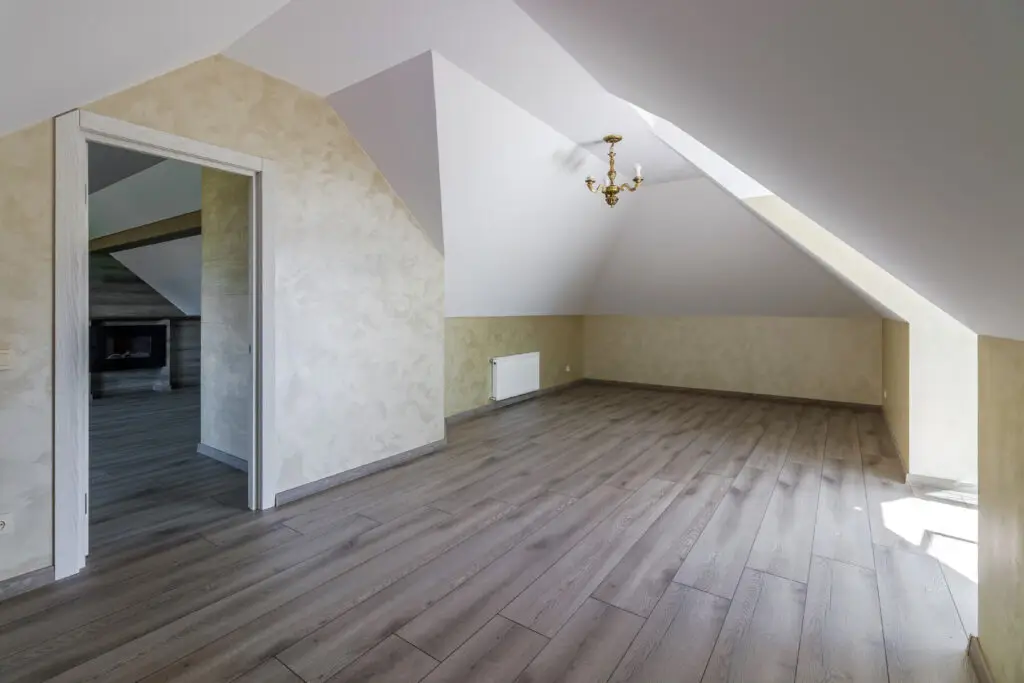
It’s a common dilemma for anyone finishing a new flooring project: should the quarter round match the floor or the baseboard? This small detail can have a surprisingly big impact on the final look and feel of a room. The answer isn’t a matter of right or wrong, but rather a design choice that depends on your desired aesthetic. This guide will help you understand the purpose of quarter round and the pros and cons of each matching strategy.
The Purpose of Quarter Round
Before diving into matching strategies, it’s helpful to understand why quarter round is necessary in the first place.
Covering gaps
When you install new flooring, especially floating floors like LVP or laminate, manufacturers recommend leaving an “expansion gap” around the perimeter of the room. This space allows the flooring to expand and contract with changes in temperature and humidity without buckling or warping. Quarter round is installed to cover this gap, hiding it from view and protecting the edges of the planks.
Creating a clean finish
Beyond its functional purpose, quarter round provides a seamless transition between the floor and the baseboards. It gives the room a polished, finished look, tying the entire design together.
Matching Quarter Round to Baseboards
This is the most traditional and widely accepted approach. When you choose this option, the quarter round becomes a natural extension of the baseboard, creating a unified and classic look.
When it works best
Matching the quarter round to the baseboard is the best choice when:
- You have painted baseboards: The quarter round can be painted the exact same color as the baseboard, making the two pieces appear as one single, cohesive unit.
- You want to create a clean visual line: This method creates a continuous, unbroken line of white or painted trim along the bottom of your walls, which can make the room look larger and more streamlined.
- The baseboards are a prominent feature: If you have thick, ornate baseboards, matching the quarter round to them highlights the trim detail rather than drawing attention to the floor’s edge.
Pros and cons
Pros:
- Classic, timeless aesthetic: This look is a design staple that works with almost any style, from traditional to modern.
- Easier to match: It’s often easier to get a perfect paint match for your baseboards than it is to find a stain or wood grain that precisely matches your flooring.
- Visually cohesive: It creates a smooth, integrated feel in the room, making the trim a solid and continuous element.
Cons:
- May not hide the gap as well: If your flooring is dark and your baseboards are white, the contrast can sometimes make the gap more noticeable if the installation isn’t flawless.
Matching Quarter Round to Flooring
Choosing to match the quarter round to the flooring is a more modern, design-forward choice that can create a unique, built-in look.
When to choose this option
Matching the quarter round to the flooring is a good idea when:
- Your floors are the focal point: If you have beautiful hardwood or patterned LVP that you want to stand out, matching the quarter round to the flooring keeps the focus on the floor itself.
- You want a seamless transition: This method creates a continuous visual surface that flows from wall to wall, with the baseboard appearing to sit directly on top of the flooring.
- You have wood-look floors: Matching a quarter round to the grain and color of a wood-look floor can make the entire installation look more expensive and custom.
Pros and cons
Pros:
- Creates a seamless, expansive look: The uninterrupted flow of the floor can make a room feel larger and more open.
- Hides imperfections in the edge: Any slight imperfections in the cuts along the wall are less noticeable when the quarter round blends in with the floor.
- Highlights the flooring: It puts the focus squarely on the floor’s color and texture.
Cons:
- Can be difficult to match perfectly: Finding a quarter round that is an exact match for the color, grain, and finish of your flooring can be challenging.
- Less common aesthetic: It is a less traditional look that may not appeal to everyone.
Designer Recommendations
Interior designers typically favor one option for a very specific reason.
Matching baseboard for a cohesive look
The general recommendation from most designers is to match the quarter round to the baseboard. This is because the baseboard is part of the wall trim system, which includes door casings and window casings. By keeping all of these elements the same color, you create a harmonious, intentional design. It makes the wall and trim a single, unified element that frames the room, and the flooring becomes the central piece within that frame.
Matching flooring for seamless style
While less common, matching the quarter round to the flooring is also a valid choice, particularly in modern homes where a minimalist aesthetic is desired. This approach is all about creating clean, simple lines and minimizing visual breaks.
FAQs
Can quarter round be painted or stained later?
Yes, quarter round can be painted or stained. If you’re starting with unfinished wood or a primed material, it’s best to paint or stain it before you install it to get a clean, even coat. You can always touch up any spots after installation.
What do most homeowners prefer?
The most popular choice for homeowners is to match the quarter round to the baseboard. This is due to its traditional appeal, ease of execution (painting is simpler than stain-matching), and its ability to create a visually clean and cohesive look.
Ultimately, the choice is up to you and what will best suit the style of your home and your personal aesthetic.
Ready to find the perfect trim for your home? Explore our selection of quarter round and shoe molding to get the perfect finish.