
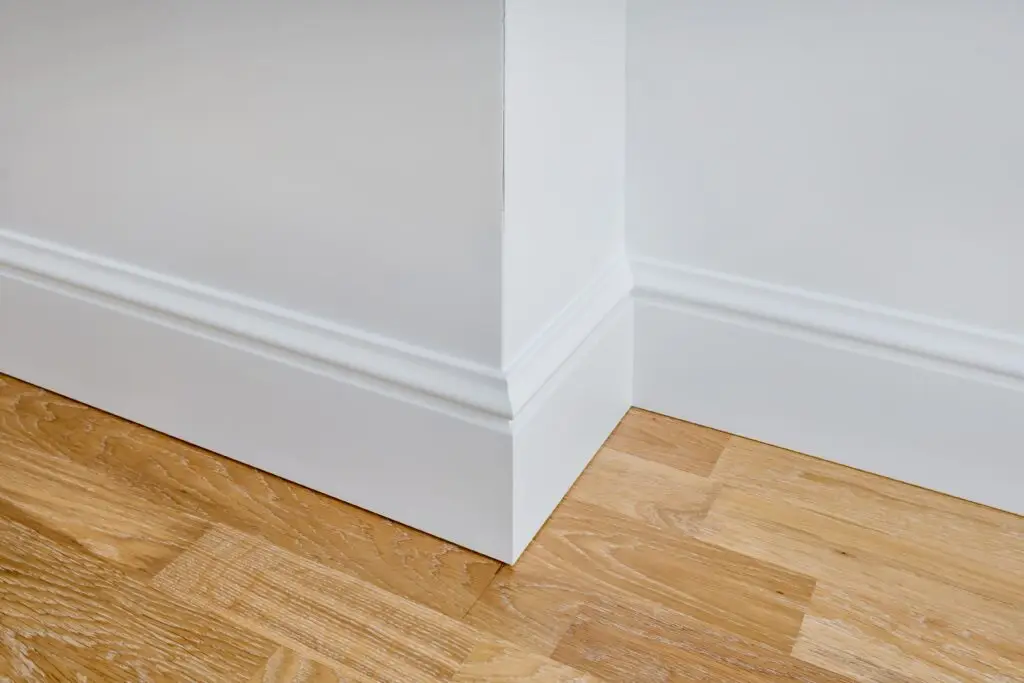
A common question during home renovations or DIY flooring projects in the United States is whether or not to seal the gap between the bottom of the baseboard and the floor surface. While it might seem like a natural finishing touch, applying caulk in this area is a permanent decision that can either enhance your home’s durability or lead to significant flooring failures depending on the materials involved.
Quick Answer: It Depends on the Flooring Type
The short answer is: Yes for rigid floors, but No for floating floors. In American home construction, floors are categorized by how they are attached to the subfloor. Rigid floors, like tile or stone, are bonded directly and do not move. Floating floors, such as laminate or Luxury Vinyl Plank (LVP), are designed to move as a single unit. Caulking a floor that needs to move will eventually cause the seal to tear or, worse, cause the floor to buckle.
Why floating floors change the answer
Floating floors are not nailed or glued down. Due to the significant seasonal temperature and humidity fluctuations across the U.S., these floors expand and contract. If you “lock” a floating floor in place by caulking it to the baseboard, you are fighting physics. When the floor tries to shrink in the winter, the caulk will pull away, leaving a jagged, messy residue.
When Caulking Baseboards Is a Good Idea
In specific scenarios, caulking the bottom of the baseboard is actually recommended for both aesthetic and structural reasons.
Tile and stone floors
Because tile and stone are set in mortar and do not expand or contract significantly, caulking the gap where the wood baseboard meets the tile is a standard practice.
- Water Resistance: In bathrooms and kitchens, this seal prevents “splash water” from seeping under the baseboard and rotting the drywall or the bottom plate of the wall framing.
- Visual Finish: Grout should never be used in this “change of plane” (where the floor meets the wall), as it will crack. A color-matched caulk provides a professional, seamless look.
Uneven subfloors
In older homes or houses with slight foundation settling, floors are rarely perfectly level. This creates unsightly gaps between the straight baseboard and the undulating floor.
- A thick bead of high-quality caulk can “bridge” these gaps, creating the illusion of a perfectly flat floor.
- This is particularly useful in hallways and living areas where long sightlines make gaps more obvious.
When You Should Avoid Caulking
If you are working with modern wood-alternative materials, you should generally keep the caulk gun away from the floor-to-wall transition.
Laminate and engineered wood
Laminate and many engineered wood products are susceptible to moisture and temperature changes. American manufacturers typically require a 1/4″ to 3/8″ expansion gap around the perimeter of the room. The baseboard (or a “shoe molding/quarter round”) is designed to cover this gap without touching the floor.
Expansion gaps
If you fill this expansion gap with caulk:
- The floor cannot expand, leading to peaking (where the planks push against each other and rise).
- It can void the manufacturer’s warranty on the flooring product.
- Over time, the movement of the floor will turn the caulk into a “dirt magnet” as it cracks and becomes sticky.
Best Caulk Types for Baseboards
If you have determined that your floor is suitable for caulking, choosing the right product is essential for a long-lasting finish.
Paintable acrylic latex
Often called “Painter’s Caulk,” this is the standard for American trim work.
- Pros: Easy to apply, cleans up with water, and can be painted to match the baseboard.
- Cons: It has lower flexibility and can shrink over time.
Flexible hybrid caulks
For areas where minor movement is expected, siliconized acrylic or “Big Stretch” type caulks are superior.
- Pros: These are designed to stretch and compress without losing their bond. They are ideal for the transition between wood trim and tile floors.
- Cons: Slightly more expensive and requires more care during application.
FAQs
Does caulking baseboards keep bugs out?
Yes. In many parts of the U.S., baseboard gaps are a primary entry point for small insects like ants or spiders. Sealing these gaps (on rigid floors only) creates an airtight barrier that significantly reduces pest infiltration and even helps with energy efficiency by stopping minor drafts.
Can caulk crack over time?
Absolutely. Houses “breathe” and settle. If you use a cheap, non-flexible caulk, it will likely crack within the first two years. Always look for a product labeled with “high flexibility” or “ASTM C920” compliance for the best results.
Should caulk be painted?
If you are using acrylic latex, yes. Unpainted caulk tends to attract dust and can turn yellow or gray over time. Applying a coat of the same semi-gloss or satin paint used on your baseboards will protect the caulk and make it easier to wipe clean.
Properly finished baseboards are the “frame” that highlights your beautiful new floors. At Santos Brothers Flooring, we understand the technical nuances of every flooring material, ensuring your installation is not only beautiful but also follows all manufacturer specifications for long-term durability. Whether you need a perfectly caulked tile finish or a professionally installed shoe molding for your floating floors, we have the expertise to get the job done right. Contact Santos Brothers Flooring today for a professional consultation and give your home the finish it deserves!