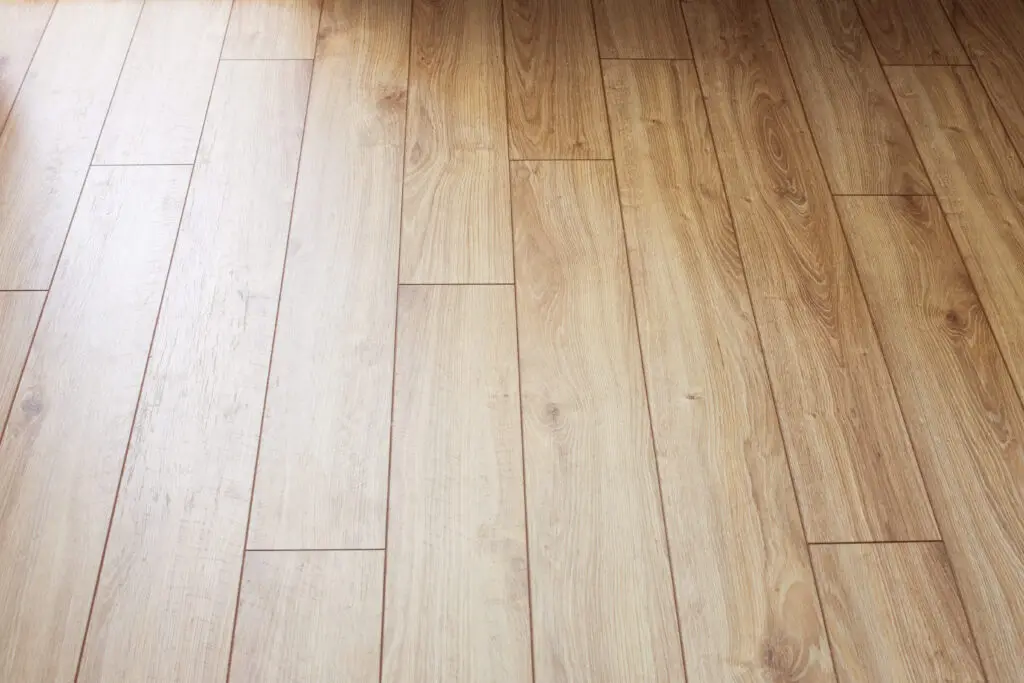
Choosing the right flooring involves balancing aesthetics with structural performance. In the United States, engineered wood flooring has become the dominant choice for homeowners who want the timeless beauty of oak, hickory, or walnut but require a floor that can handle modern living conditions and varied climates.
Quick Answer: Engineered Wood Is More Stable Than Solid Hardwood
While solid hardwood consists of a single plank of timber, engineered wood is a composite product designed to counteract the natural expansion and contraction of wood. Its cross-layered construction makes it significantly more resistant to warping, cupping, and “gapping” caused by changes in indoor humidity levels.
What Is Engineered Wood Flooring?
Engineered wood is a sophisticated marriage of nature and technology. It is not laminate or “fake” wood; it is a structural product made of 100% wood components.
Plywood Core Construction
The foundation of an engineered plank consists of multiple layers of high-quality plywood or high-density fiberboard (HDF). These layers are glued together in a cross-grain pattern. This “balanced” construction creates a core that is incredibly strong and dimensionally stable, resisting the horizontal movement that plagues solid planks.
Real Hardwood Veneer Layer
The top layer, known as the “wear layer,” is a genuine slice of premium hardwood. Whether it is a rustic French Oak or a clean Select Maple, what you see and touch is 100% real wood. This layer can range in thickness from 1mm to over 6mm, depending on the quality of the product.
Benefits of Engineered Wood
Moisture Resistance
Because of its layered core, engineered wood does not react to moisture as dramatically as solid wood. While no wood floor is “waterproof,” engineered planks are far less likely to buckle if exposed to minor spills or seasonal humidity shifts.
Dimensional Stability
Engineered wood is the ideal choice for “wide-plank” designs. Solid wood planks wider than 5 inches are prone to cupping; however, engineered construction allows for planks up to 10 or 12 inches wide while remaining perfectly flat.
Compatible with Radiant Heat
In many U.S. homes, particularly in colder regions, radiant floor heating is a popular luxury. Engineered wood is the only real wood flooring recommended for use over radiant heat systems, as it can withstand the direct heat without drying out and cracking.
Drawbacks to Consider
Limited Refinishing
The primary drawback is the wear layer. A solid wood floor can be sanded and refinished many times over a century. An engineered floor with a thin wear layer might only be sandable once or twice—or not at all if the veneer is too thin.
Thickness Matters
In the flooring industry, “you get what you pay for.” Cheap engineered wood often has a very thin core and a paper-thin veneer. For a floor that lasts, U.S. contractors typically recommend a total thickness of at least 1/2 inch to 5/8 inch.
Where Engineered Wood Works Best
Basements
Because basements are below-grade and prone to higher moisture levels, solid hardwood is generally prohibited. Engineered wood, when installed with a proper moisture barrier, allows you to have a warm, wooden aesthetic in a finished basement.
Condos
Many high-rise condos in the U.S. have concrete subfloors. Solid hardwood usually requires a plywood subfloor to be nailed down, which adds height and cost. Engineered wood can be “floated” or glued directly to concrete, making it the standard for urban multi-family housing.
Florida Humidity Conditions
In regions like Florida, where the relative humidity is consistently high and homes are often built on concrete slabs, engineered wood is the professional recommendation. It handles the coastal air and the moisture vapor emitting from the slab far better than solid timber, which would likely swell and fail within the first year of installation.
FAQs
Is engineered wood real wood?
Yes. Every layer of an engineered plank—from the plywood core to the decorative surface—is made from natural wood products.
Does it increase home value?
Absolutely. In the U.S. real estate market, engineered hardwood is viewed with the same prestige as solid hardwood because it looks identical once installed and offers superior performance in modern homes.
How long does it last?
A high-quality engineered floor with a thick wear layer can last 30 to 50 years with proper maintenance.
Engineered Wood Installation Services
Achieving a flawless finish requires more than just high-quality planks; it requires expert installation. At Santos Brothers Flooring, we understand the unique climate challenges of the U.S. market. We provide comprehensive moisture testing, subfloor leveling, and precision installation to ensure your investment lasts for decades.
Ready to upgrade your home with the durability and elegance of engineered hardwood? Contact Santos Brothers Flooring today for your expert consultation and free quote!