
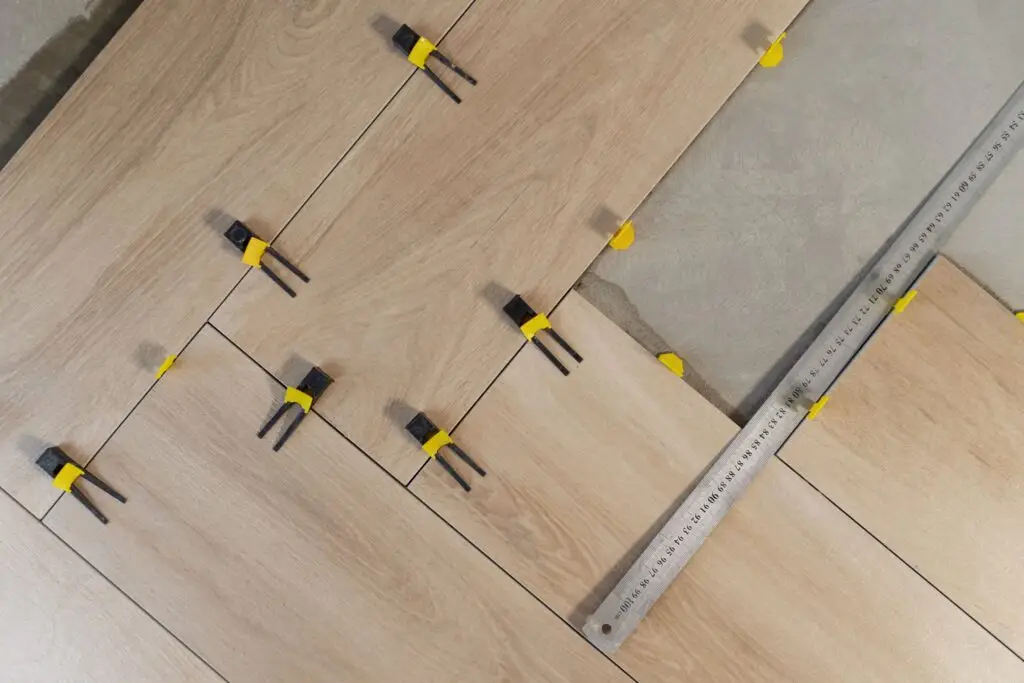
Engineered hardwood combines the timeless beauty of real wood with an innovative construction that offers enhanced stability against the humidity levels we often experience here in Florida. Whether you are a DIY enthusiast or looking to understand the process before hiring a professional, this guide covers everything you need to know about a successful installation.
Quick Answer: Engineered Flooring Can Be Floated, Glued, or Nailed
One of the greatest advantages of engineered hardwood is its versatility. Unlike solid wood, which must be nailed to a wood subfloor, engineered planks can be floated (clicked together), glued down directly to concrete, or nailed/stapled to a plywood base. The best method depends entirely on your specific subfloor and the manufacturer’s recommendations.
Installation Methods Explained
Floating Installation
The most popular choice for DIYers. In this method, the planks are joined to each other—not to the subfloor—using a “click-lock” system or wood glue in the tongue-and-groove joints. The entire floor “floats” over an underlayment, allowing it to expand and contract as a single unit.
Glue-Down Method
Commonly used when installing over concrete slabs. A high-quality moisture-rated adhesive is spread on the subfloor using a notched trowel. This provides the most “solid” feel underfoot and reduces the “hollow” sound sometimes associated with floating floors.
Nail-Down Method
If you have a plywood or OSB subfloor, nailing (or stapling) is the traditional approach. Cleats or staples are driven through the tongue of the plank into the subfloor. This creates a very stable, permanent bond but requires specialized flooring nailers.
Subfloor Preparation
The secret to a flawless floor isn’t the wood itself—it’s the surface underneath.
- Leveling: The subfloor must be flat. Any dips or humps (greater than 3/16″ over 10 feet) must be corrected with self-leveling compound or sanding.
- Moisture Testing: Especially in Florida’s climate, you must test concrete for moisture vapor. High moisture can ruin your investment.
- Cleanliness: Remove all dust, wax, and debris. Any leftover paint or drywall mud can interfere with adhesives.
Step-by-Step Overview
1. Acclimation
Even though engineered wood is stable, it still needs to adjust to your home’s “normal” temperature and humidity. Store the closed boxes in the room where they will be installed for at least 48 to 72 hours.
2. Layout Planning
Measure the room and calculate the width of your last row. If it’s less than 2 inches, rip your first row to ensure the floor looks balanced. Always “rack” your floor by laying out several rows ahead of time to ensure a good mix of color and grain.
3. Expansion Gaps
Wood moves. You must leave a 1/2 inch gap (or as specified by the manufacturer) around the entire perimeter of the room, including doorways and fixed objects. This gap will be hidden by your baseboards or shoe molding later.
4. Final Finishing
Once the last plank is in, remove the spacers used for expansion gaps. Install your transition strips (T-molding, Reducers) and nail your baseboards to the wall, never to the flooring itself. Give the floor a light cleaning with a manufacturer-approved wood cleaner.
Common Installation Mistakes
- Ignoring the moisture barrier: Skipping the 6-mil poly film over concrete can lead to buckling.
- Poor staggering: Joins between boards in adjacent rows should be at least 6 inches apart to ensure structural integrity and a natural look.
- Nailing too close to the ends: This can split the tongue of the board.
FAQs
Can engineered hardwood be installed over concrete?
Yes. This is one of the primary reasons engineered wood was invented. You can either glue it down using a moisture-barrier adhesive or float it over a high-quality underlayment.
Does it need underlayment?
For floating installations, yes. Underlayment provides a moisture barrier, sound dampening, and a slight cushion. Some planks come with underlayment pre-attached.
How long before walking on it?
If you float or nail the floor, you can walk on it immediately. If you glue it down, you should wait at least 24 hours for the adhesive to cure before moving furniture back in.
Professional Installation in FL
At Santos Brothers Flooring, we understand that a floor is more than just a surface—it’s the foundation of your home. With Florida’s unique humidity and subfloor challenges, professional installation ensures your warranty remains valid and your floors stay beautiful for decades.
Contact Santos Brothers Flooring today for a free in-home estimate. Let us bring the showroom to you!