
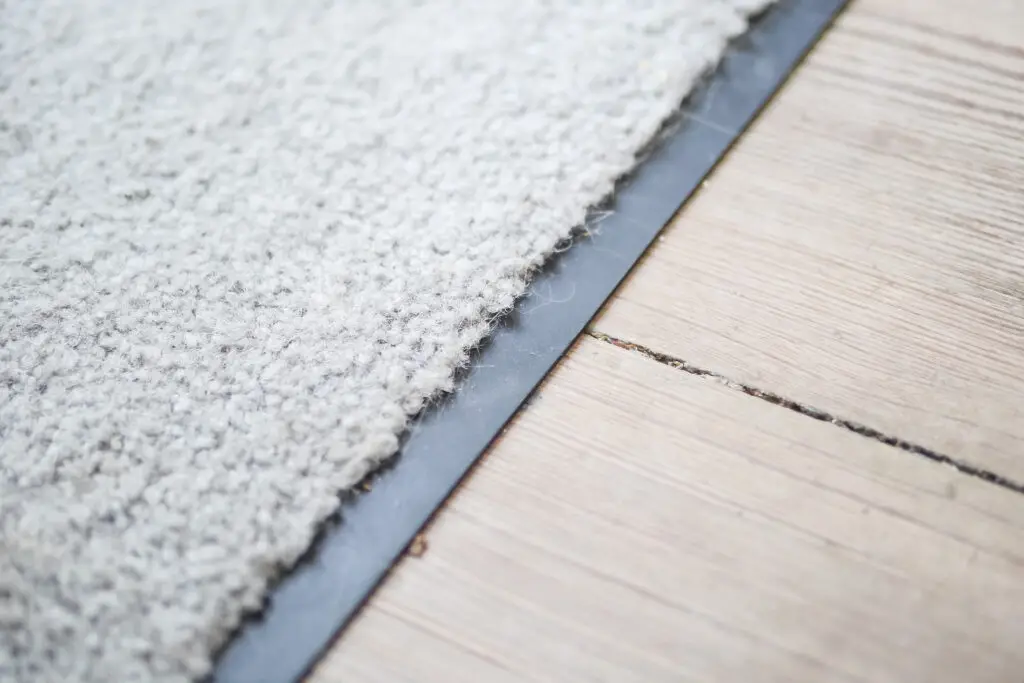
Transition strips are a small detail with a big impact. When you’re connecting a plush carpet to a hard surface like hardwood, tile, or vinyl, a well-chosen and properly installed transition strip is essential. It provides a clean finish, protects your flooring, and, most importantly, prevents dangerous tripping hazards. This guide will walk you through the different types of carpet transition strips and how to install them for a flawless result.
Why use transition strips between carpet and other floors
The primary purpose of a transition strip is to create a smooth, safe bridge between two different flooring materials. When a carpet meets a hard surface, there is often a height difference and an exposed, unfinished edge. A transition strip solves these problems by:
- Leveling Surfaces: It bridges height differences, preventing trips and falls.
- Protecting Edges: It protects the exposed edges of your flooring from fraying and damage.
- Creating a Polished Look: It hides the seam where the two floors meet, giving your room a professional and finished appearance.
Common types of carpet transition strips
There are a variety of materials and designs for carpet transition strips, each with its own benefits and best use cases.
Metal transition strips
These are the most common type, typically made from aluminum, brass, or stainless steel. They are incredibly durable and are often used in high-traffic areas.
- Z-Bar: A classic option used to tuck the carpet edge under a metal lip, creating a secure hold.
- Tackless Strip: A less visible option that uses tacks to grip the carpet’s backing and hold it firmly in place.
Vinyl and rubber strips
Made from flexible PVC, vinyl and rubber transition strips are a versatile and budget-friendly option.
- Reducer Strips: These strips gently slope down from the carpet to a lower-profile hard surface, such as vinyl or linoleum. They are often used in residential settings and are easy to install.
- Rubber or PVC Ramps: Ideal for commercial or industrial settings, these heavy-duty strips are very durable and are perfect for high-traffic areas or where a gentle incline is needed.
Wood transition options
For a warm and classic look, wood transition strips can be used to match your hardwood or laminate flooring. They are often custom-made to match the species and stain of your floor. They are typically secured with nails or adhesive.
How to install carpet transition strips
While installation can vary by type, the general steps are similar.
- Measure and Cut: Measure the width of the doorway or area you are covering. Use a miter saw or a hacksaw with a fine-toothed blade to cut the strip to the exact length.
- Position the Strip: Place the transition strip exactly where the carpet and the hard surface meet.
- Secure the Strip:
- For Metal Z-Bars: Use a hammer to tap the teeth of the Z-bar into the subfloor. Then, stretch the carpet over the teeth and use a mallet to firmly lock the carpet edge into the Z-bar’s channel.
- For Reducers or Ramps: Apply a strong construction adhesive to the back of the strip in a zigzag pattern and press it firmly into place. For a more secure hold, you can use a few finish nails.
- Finish the Seam: If there are any visible gaps, a color-matched caulk or a bit of wood filler can be used to create a seamless finish.
Tips for smooth transitions between flooring materials
- Acclimate Materials: Allow both your flooring materials and your transition strip to acclimate to the room’s temperature and humidity for at least 24 hours before installation.
- Measure Twice, Cut Once: This old adage is especially true with flooring transitions. A strip that is too short can ruin the whole look.
- Match Heights: Make sure you’re using the correct type of transition strip to accommodate the height difference between your two flooring types.
- Professional Help: For complex installations or a perfect finish, professional flooring services have the right tools and expertise to ensure a flawless result.
Transition strips are the final piece of the puzzle that makes your flooring project look complete. For a clean, safe, and professional transition every time, a professional installation is the best option.For a flawless flooring finish in your home, contact Santos Brothers Flooring today for a professional installation quote.