Choosing the right flooring is one of the most significant decisions you’ll make when building, renovating, or updating your home. It’s not just about aesthetics; your flooring choice impacts durability, maintenance, comfort, and even your home’s resale value, especially in regions like Northeast Florida where climate and lifestyle play a big role. With so many options available today, understanding the different types of flooring – their pros, cons, and ideal uses – is crucial to making an informed decision that suits your family’s needs and your home’s unique style.
Hardwood flooring
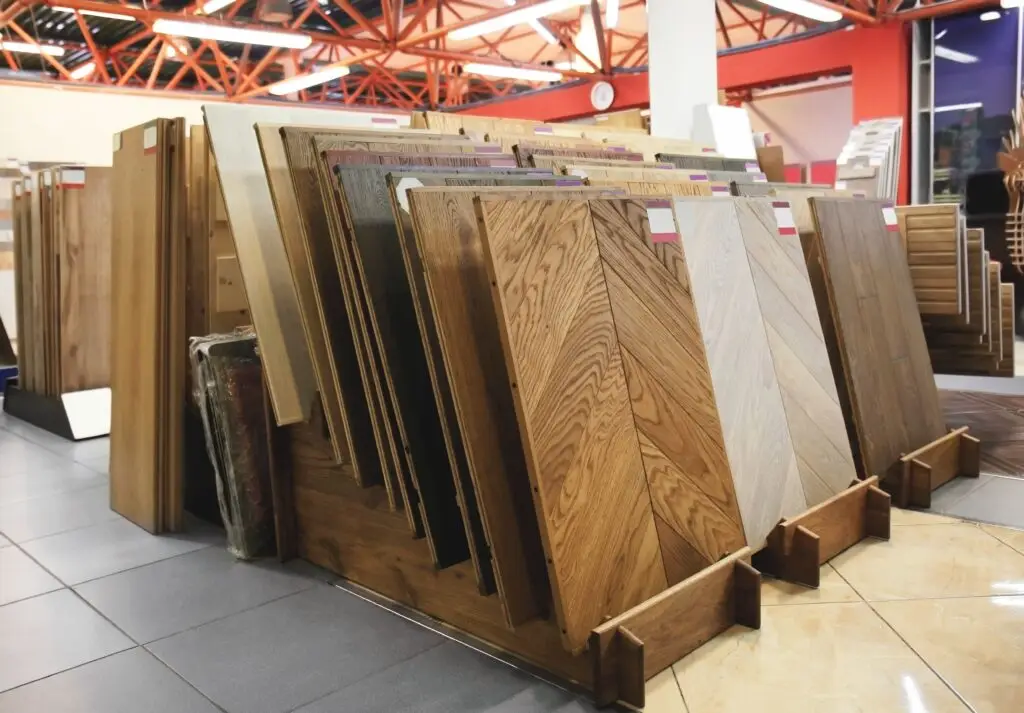
Hardwood flooring offers timeless beauty and natural warmth, making it a classic choice for many homeowners.
- Pros:
- Aesthetics: Provides unmatched natural beauty and elegance.
- Durability (Long-Term): Can last for decades, even centuries, with proper care.
- Refinishable: Can be sanded and refinished multiple times to remove wear and tear or change the look.
- Increases Home Value: A significant selling point for homes in any market, including the competitive Northeast Florida real estate landscape.
- Hypoallergenic: Doesn’t trap dust, dander, or pollen like carpet.
- Cons:
- Cost: Generally one of the more expensive flooring options.
- Maintenance: Can scratch, dent, and show wear from high traffic. Requires regular sweeping/vacuuming and occasional specialized cleaning.
- Moisture Sensitivity: Highly susceptible to water damage, warping, and swelling from humidity, which is a major consideration in humid climates like Florida and Georgia. Not ideal for bathrooms or basements.
- Noise: Can be noisy underfoot.
- Ideal Uses: Living rooms, dining rooms, hallways, bedrooms, home offices. Best for areas with moderate to low moisture.
Laminate flooring
Laminate flooring offers the look of wood or tile at a more accessible price point, made from synthetic materials fused together.
- Pros:
- Affordability: A budget-friendly alternative to hardwood or tile.
- Durability (Surface): Highly resistant to scratches, dents, and fading due to its tough wear layer, making it great for active households.
- Easy to Clean: Requires simple sweeping, vacuuming, and occasional damp mopping.
- Variety: Comes in a vast array of styles, mimicking wood species, stone, and tile.
- DIY-Friendly: Many types feature click-and-lock installation, making it popular for DIY enthusiasts.
- Cons:
- Moisture Sensitivity: While better than hardwood, traditional laminate can still swell and warp if exposed to excessive moisture. Not ideal for bathrooms or laundry rooms unless it’s a newer “waterproof” laminate.
- Cannot Be Refinished: Once the wear layer is damaged, the plank needs to be replaced.
- Sound: Can sound hollow or clicky underfoot.
- Resale Value: Doesn’t add as much resale value as genuine hardwood.
- Ideal Uses: Living rooms, dining rooms, bedrooms, hallways, and kitchens (with caution for moisture).
Vinyl and luxury vinyl plank (LVP)
Vinyl flooring, especially its newer form, Luxury Vinyl Plank (LVP), has seen a massive surge in popularity due to its versatility and impressive realism. LVP often mimics wood or stone with high-definition printing and textured surfaces.
- Pros:
- Waterproof/Water-Resistant: Many LVP products are 100% waterproof (especially WPC or SPC core options), making them ideal for high-moisture areas and a fantastic choice for homes in humid climates like Florida and Georgia.
- Durability: Highly resistant to scratches, dents, scuffs, and spills. Excellent for active families and pets.
- Affordability: Generally more affordable than hardwood or high-end tile, though LVP can vary widely in price.
- Comfort: More resilient and warmer underfoot than tile or stone.
- Easy Maintenance: Simple to clean with regular sweeping/vacuuming and damp mopping.
- Realistic Aesthetics: Advanced printing technology creates very convincing wood and stone looks.
- Cons:
- Subfloor Imperfections: Can sometimes telegraph imperfections from the subfloor.
- Cannot Be Refinished: Damaged planks need replacement.
- Environmental Concerns: Made from synthetic materials (PVC); however, many manufacturers now offer low-VOC and recyclable options.
- Ideal Uses: Kitchens, bathrooms, laundry rooms, basements, living rooms, hallways, and any area where water resistance and durability are critical – perfect for coastal or humid environments.
Tile flooring
Tile flooring, including ceramic, porcelain, and natural stone, offers incredible durability and versatility.
- Pros:
- Waterproof: Naturally water-resistant (ceramic/porcelain) or waterproof (if properly sealed, like some natural stone), making it excellent for wet areas.
- Durability: Extremely hard-wearing, resistant to scratches, dents, and heavy traffic.
- Longevity: Can last a lifetime with proper installation and care.
- Variety: Available in an endless array of colors, patterns, sizes, and textures, including wood-look and stone-look options.
- Cooling Effect: Stays cool underfoot, which is a significant advantage in hot climates like Florida.
- Cons:
- Hardness: Can be uncomfortable to stand on for long periods; dropped items are likely to break.
- Grout Maintenance: Grout lines can trap dirt and stain, requiring regular cleaning and sealing.
- Cold: Can feel cold in cooler months unless radiant heating is installed.
- Slippery: Some polished tiles can be slippery when wet.
- Ideal Uses: Bathrooms, kitchens, laundry rooms, entryways, sunrooms, and outdoor spaces. Excellent for homes in warm, humid climates.
Carpet and Area Rugs
Carpet offers warmth, comfort, and noise reduction, making it a popular choice for bedrooms and family rooms. Area rugs provide similar benefits with added flexibility.
- Pros:
- Comfort: Soft and warm underfoot, providing cushioning.
- Noise Reduction: Excellent at absorbing sound, making rooms quieter.
- Affordability: Generally one of the least expensive flooring options upfront.
- Safety: Provides a non-slip surface and cushions falls.
- Variety: Available in countless colors, patterns, textures, and pile heights.
- Cons:
- Stain Susceptibility: Prone to staining and can absorb odors.
- Allergens: Can trap dust, pollen, pet dander, and other allergens, requiring frequent vacuuming and professional cleaning.
- Durability: Wears down over time, showing traffic patterns and matting.
- Moisture Issues: Not ideal for high-moisture areas due to mold and mildew risk.
- Ideal Uses: Bedrooms, living rooms, family rooms, and playrooms where comfort and warmth are priorities.
Engineered wood vs. Solid wood
While both fall under “hardwood flooring,” it’s important to distinguish between engineered wood and solid wood as they have different constructions and benefits.
Solid wood:
- Construction: Made from a single, solid piece of timber from top to bottom.
- Pros: Pure natural wood, can be refinished many times, extremely long-lasting.
- Cons: More susceptible to moisture and humidity changes (gapping, warping), not ideal for below-grade installations or very humid environments like Florida basements.
Engineered wood:
- Construction: Features a top layer of real hardwood veneer over multiple layers of plywood or high-density fiberboard (HDF).
- Pros:
- Dimensional Stability: The layered construction makes it far more stable and less prone to warping or gapping due to humidity and temperature fluctuations – a huge advantage in humid regions like Northeast Florida and Georgia.
- Installation Versatility: Can be installed in more areas than solid wood, including basements and over concrete slabs (which is common in Florida homes).
- Refinishable: The wear layer can be sanded and refinished, though fewer times than solid wood depending on veneer thickness.
- Cons: Generally thinner wear layer than solid wood means fewer refinishes.
How to choose the right flooring for each room
Making the best flooring choice involves balancing lifestyle, budget, and the specific needs of each area in your home.
- High-Traffic Areas (Living Rooms, Hallways, Kitchens):
- Durability is Key: Consider LVP, tile, or engineered hardwood for their resilience against daily wear and tear. LVP and tile are excellent in kitchens due to their water resistance.
- Wet Areas (Bathrooms, Laundry Rooms):
- Waterproof is Non-Negotiable: Tile and 100% waterproof LVP/WPC/SPC are your safest bets here to prevent mold, mildew, and subfloor damage, especially in Florida’s climate.
- Bedrooms:
- Comfort & Sound: Carpet offers warmth and sound absorption, creating a cozy retreat. Hardwood or engineered wood also work well for a cleaner aesthetic.
- Open Concept Homes:
- Flow & Consistency: Choosing one consistent hard surface (like engineered wood, LVP, or tile) throughout connected living areas can create a cohesive and expansive feel.
- Homes in Florida & Georgia:
- Humidity & Heat Resistance: LVP and tile are often preferred for their excellent performance in humid conditions and their ability to stay cool. If choosing wood, engineered wood is highly recommended over solid wood for its stability.
- Durability for Active Lifestyles: Many families in these regions enjoy outdoor activities; durable and easy-to-clean options like LVP and tile can withstand tracking in sand or dirt.
Ready to transform your home with the perfect flooring? Understanding these options is the first step.
Considering new flooring for your Northeast Florida home? From durable tile to beautiful engineered wood, Santos Brothers Flooring is here to help! Contact us today for expert advice and professional installation that brings your vision to life.