
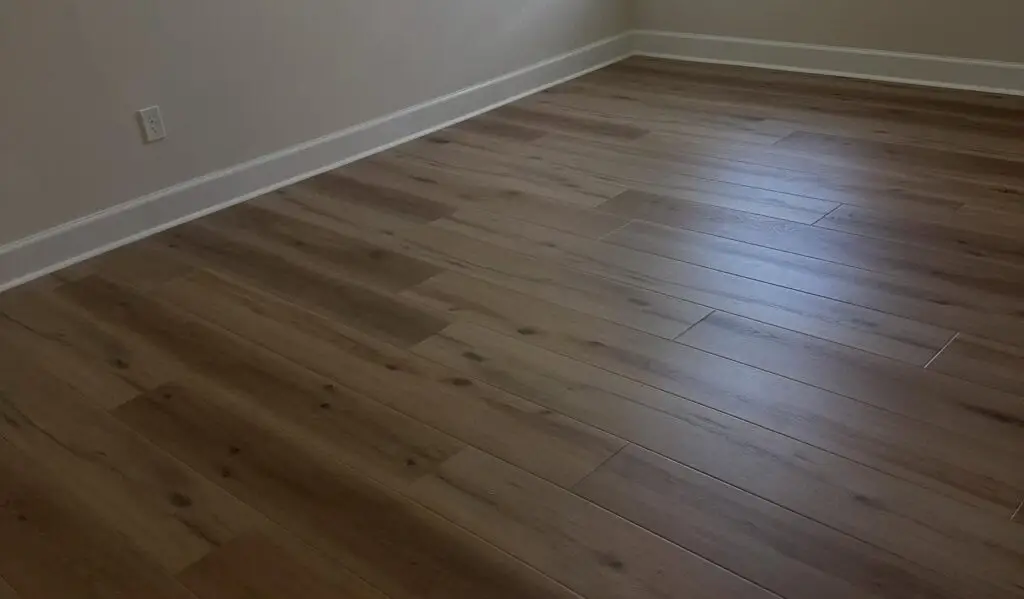
It’s a common question for homeowners: when you install the same flooring throughout your home, can you create a single, continuous, seamless look without any transition strips? While a continuous floor is visually appealing, the answer isn’t always a simple “yes.” Understanding the purpose of transition strips is key to making the right choice for your flooring project.
When transition strips are necessary
Even with the same flooring material, transition strips are often required for technical reasons. The primary reason is to accommodate the natural expansion and contraction of the flooring. Materials like vinyl planks, laminate, and hardwood are known as “floating floors.” They are not directly attached to the subfloor and need an expansion gap around the perimeter of the room to move freely.
Manufacturers of these materials set specific limits on the maximum length and width of a continuous run of flooring before a transition strip is needed. If you exceed these limits, the flooring is at risk of buckling, warping, or separating due to pressure from expansion. Transition strips act as a planned break in the flooring, allowing it to move independently on either side.
Benefits of using transition strips for same flooring
While they may seem like a disruption, using a transition strip even with the same flooring offers several practical benefits:
- Damage Control: If a section of flooring in one room is damaged, the transition strip isolates the problem, making repairs easier and preventing the damage from spreading to the next room.
- Acoustic Isolation: A transition strip can help reduce the transfer of sound between rooms, which is especially helpful for noisy areas like laundry rooms or kitchens.
- Defining Spaces: In open-concept homes, a transition strip can subtly define the separation between functional areas, such as a living room and a dining area, without the need for a different flooring type.
Situations where transition strips can be skipped
If your goal is a seamless look, there are specific situations where you can skip the transition strip. This is primarily possible when the flooring installation falls within the manufacturer’s guidelines for continuous length and width. For example, some high-quality luxury vinyl plank (LVP) floors are designed to be installed in very large, continuous sections.
For a perfect seamless look, professional installers must ensure:
- The subfloor is perfectly level and prepared.
- The expansion gap around the entire perimeter is precise and consistent.
- All manufacturer instructions regarding maximum continuous runs are strictly followed.
Design considerations for a seamless look
A continuous floor can make a space feel larger and more cohesive. It draws the eye from one room to the next without interruption, creating a clean, modern aesthetic. This design choice works particularly well in open-concept layouts where you want a sense of flow between rooms.
However, a seamless floor can also highlight any imperfections in the wall-to-wall installation. It requires an extremely high level of precision and attention to detail to achieve a truly flawless result.
Pro tips for installing floors without transition strips
If you decide to go for the seamless look, here are some tips to ensure success:
- Adhere to Manufacturer Specs: This is the most critical rule. Never exceed the recommended maximum continuous run for your specific flooring.
- Ensure a Flat Subfloor: Any bumps or dips in the subfloor can cause the flooring to buckle or separate over a large, continuous area.
- Don’t Cut the Expansion Gap Short: The expansion gap is vital. Don’t be tempted to make it too small to make the flooring fit more tightly.
- Use Professional Installation: Achieving a truly seamless, worry-free installation is a job best left to the experts. They have the experience and tools to handle the complexities of continuous flooring runs.
Making the right choice between a continuous floor and a floor with transition strips requires balancing your design goals with the technical needs of your flooring. For expert advice and a flawless installation, trust a professional flooring company.
For a consultation and a quote on your next flooring project, contact Santos Brothers Flooring today and let our experts help you make the best choice for your home.