
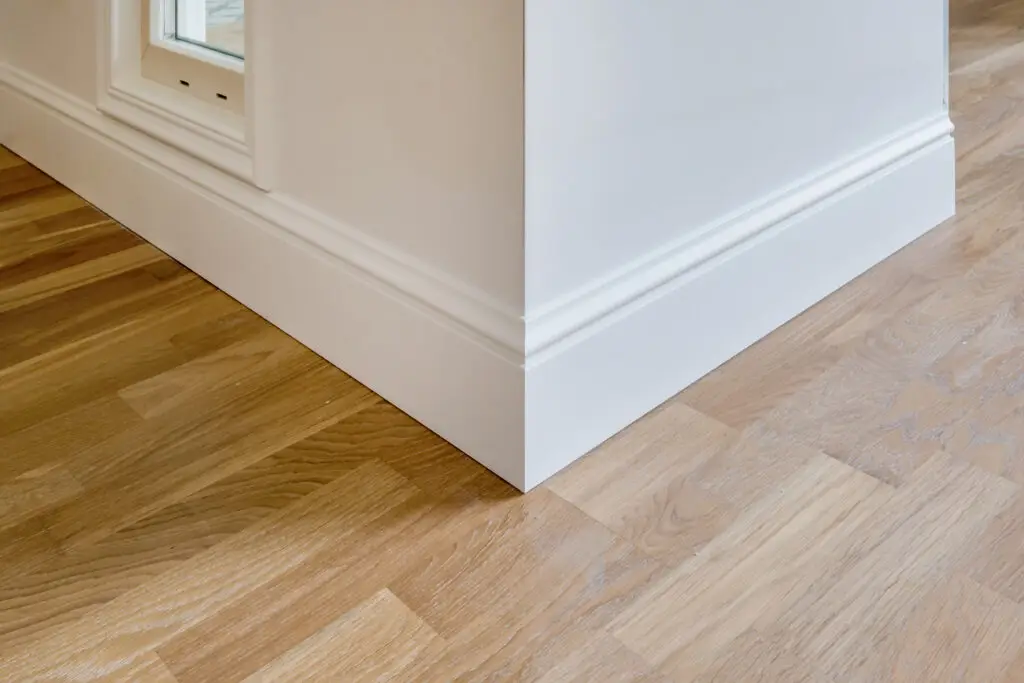
Vinyl flooring has become a top choice for homeowners due to its durability, water resistance, and wide range of design options. But for a truly finished and professional look, you can’t forget the details. That’s where vinyl floor molding trim comes in. This guide will walk you through what vinyl trim is, its benefits, the different types available, and how to get a flawless installation.
What is vinyl floor molding trim?
Vinyl floor molding trim is a family of finishing pieces designed to work seamlessly with vinyl plank or sheet flooring. Unlike traditional wood trim, which can be susceptible to moisture and warping, vinyl trim is made from a durable, water-resistant material that perfectly complements the benefits of your vinyl floor. It is used to cover the necessary expansion gaps at the perimeter of a room, creating a smooth and clean transition between the floor and the wall.
Benefits of using molding with vinyl flooring
Choosing vinyl molding for your vinyl floor offers several key advantages:
- Durability: Vinyl trim is highly resistant to scuffs, scratches, and dings, making it an excellent choice for high-traffic areas.
- Water Resistance: It’s impervious to moisture, which means it won’t swell or rot in damp areas like bathrooms, kitchens, or basements.
- Flexibility: Many types of vinyl trim are flexible, allowing them to conform to imperfect walls and uneven surfaces, resulting in a cleaner installation than rigid wood trim.
- Seamless Aesthetics: Designed to match the color and texture of your vinyl flooring, it creates a cohesive and professional appearance.
Types of vinyl floor trim
Vinyl trim comes in a variety of styles, each serving a specific purpose in a room. Choosing the right one for each area is key to a flawless finish.
Baseboards
Vinyl baseboards are used to cover the largest gap at the bottom of the wall. They are the primary protective and decorative trim in a room and are perfect for a unified look. They come in various heights and profiles to match any style, from modern and simple to more traditional.
Quarter round and shoe molding
These are small, slender pieces of trim that are installed at the joint where the baseboard meets the floor. They are ideal for covering the final expansion gap and are particularly useful when you’re installing a new vinyl floor without removing existing baseboards. They provide a graceful, curved transition that is visually appealing and protects the floor’s edge.
Transition strips
Transition strips are used to create a clean, safe transition between different types of flooring.
- T-Molding: Used to bridge the gap between two hard surface floors of the same height.
- Reducer Strips: Create a smooth transition from a thicker floor (like vinyl plank) to a thinner one (like linoleum or concrete).
- End Caps: Provide a neat finish at doorways, fireplaces, or sliding glass doors where the flooring ends against a vertical surface.
Installation tips for vinyl floor molding
Installing vinyl trim is straightforward, but a few key tips can ensure a professional result:
- Acclimation: Just like your vinyl planks, let the trim acclimate in the room for at least 24 hours before installation.
- Proper Cutting Tools: Use a fine-toothed saw blade to get clean cuts and prevent chipping. A miter saw is ideal for precise corner cuts.
- Attach to the Wall: Always nail or glue your baseboards and shoe molding to the wall, not the floor. This allows the flooring underneath to expand and contract freely.
- Use the Right Adhesive: For installation without nails, use a high-quality construction adhesive specifically designed for trim.
Design ideas to match vinyl flooring styles
Vinyl trim doesn’t have to be a boring afterthought. You can use it to enhance your room’s style.
- Monochromatic: For a sleek, modern look, choose a vinyl trim that is an exact color match to your vinyl flooring.
- Contrasting: Create a bold statement by pairing dark vinyl trim with light-colored flooring, or vice-versa. This highlights the architectural details of your room.
- Paintable Trim: If you can’t find a perfect color match, opt for a paintable vinyl trim. You can then paint it the same color as your walls for a seamless, “integrated” look that makes the room feel larger.
Installing vinyl trim is the final step in creating a beautiful, cohesive flooring project. For a flawless result without the stress, trust the experts.
Ready to get the perfect finish for your new vinyl floor? Contact Santos Brothers Flooring today for a free consultation and a professional installation quote.